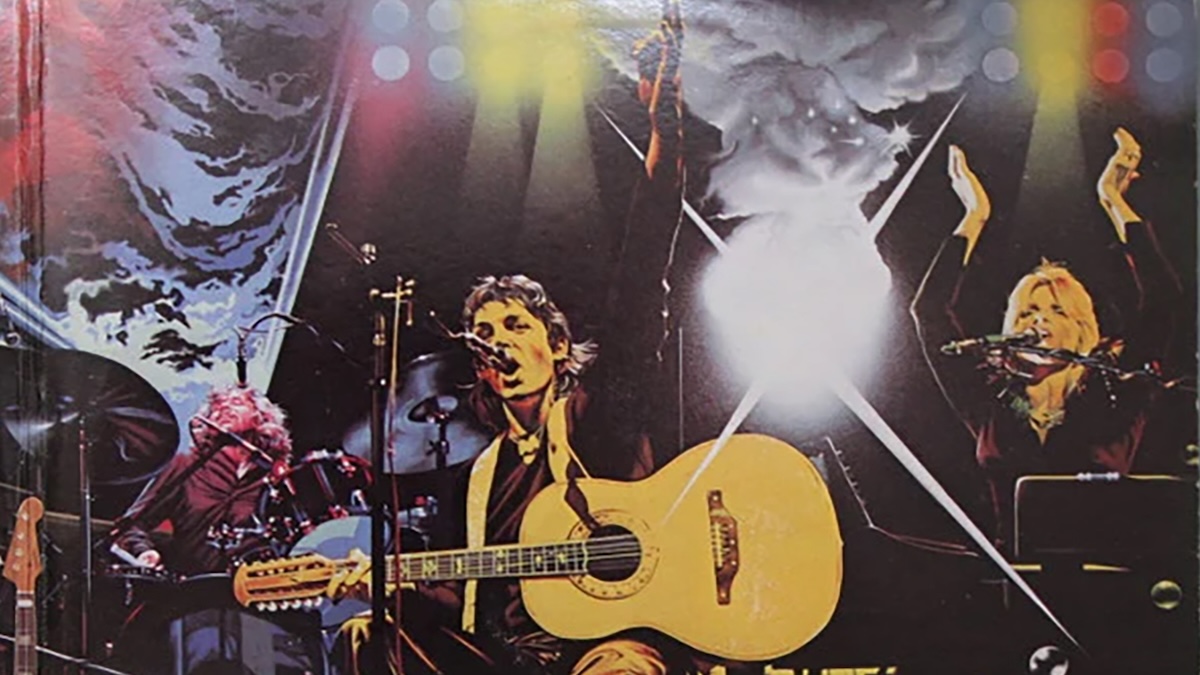
When Paul McCartney launched Wings in 1971, he faced a challenge few musicians could imagine: starting over after being part of the most successful band in rock history. Critics weren’t always kind, and the early years brought their share of personnel changes, disappointing reviews and uncertainty. Yet Wings would go on to become one of the defining bands of the 1970s, producing such hits as “My Love,” “Band on the Run,” “Jet” and “Silly Love Songs.” According to Allan Kozinn, co-author of the multi-volume The McCartney Legacy, the band’s importance went far beyond record sales. Wings gave McCartney something he desperately needed after The Beatles broke up: a chance to rebuild his musical life on his own terms.
“He started off with that university tour where they just got in a van and drove up to universities and said, ‘We got Paul McCartney here. You want a concert?’” Kozinn says. “That’s an interesting way to do it. And the weird thing is that he kind of wanted to do something like that with The Beatles at the end. You see him talking a little bit about it with John in Let It Be, where John is sitting there and Paul is saying, ‘Well, if we don’t do it, it’s as if we’re not going to play our thing for anybody anymore.’ He’s trying to convince John to go out on tour. And John said, ‘You’re daft. And by the way, I’m leaving.’”
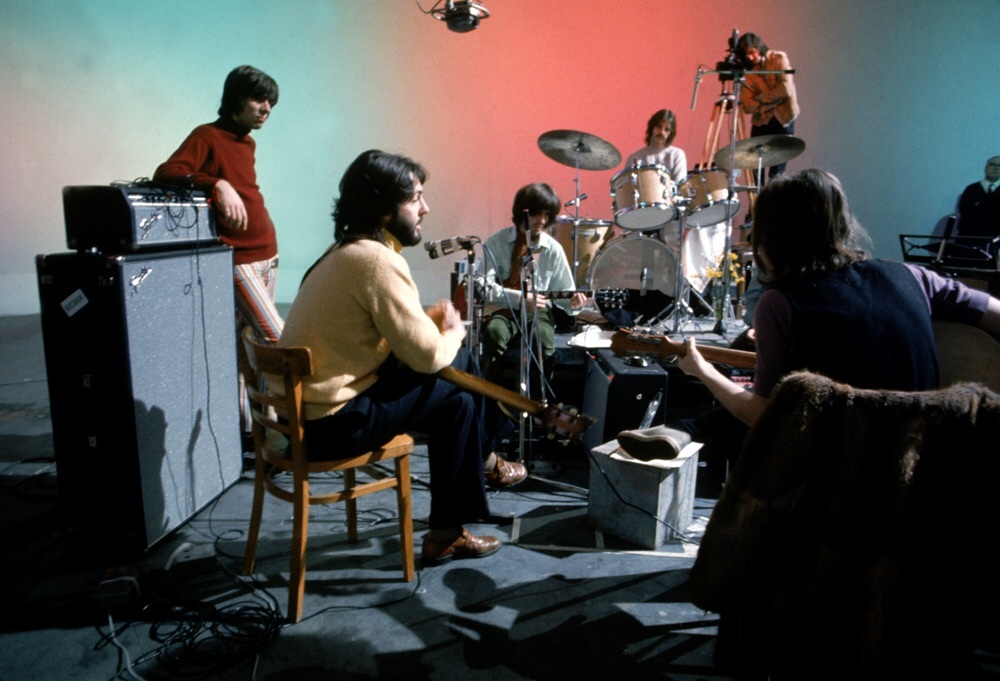
For McCartney, Wings offered another opportunity to build the kind of working band environment he had enjoyed with John Lennon, George Harrison and Ringo Starr, particularly in their earlier years together. “Paul continued with that idea as a good way to break in Wings and then toured with them in ’72 in Europe and in ’73 in Britain before Wings Over the World. And that was the big thing that he was building up to.”
One of the things Kozinn says surprised him most while researching the period was just how methodical McCartney’s rebuilding process actually was. “He was very deliberate about it. It was over a very long time stretch, so it’s sometimes hard to see how methodical it was, but it really was in stages.”
One Step at a Time
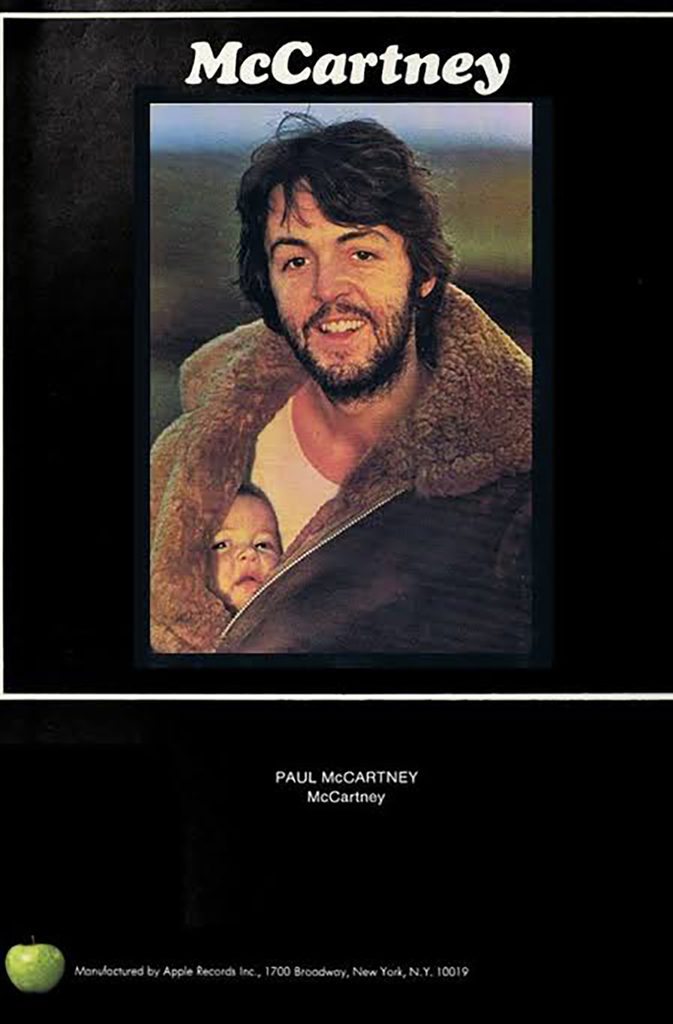
Following the breakup of The Beatles, McCartney had endured harsh critical reactions to his solo albums McCartney and Ram. Wings became a way not only to continue making music, but to establish himself as the leader of a successful band in his own right.
“It was surprising to look at it that way,” Kozinn says. “But also when it finally came about — going to Australia first, because Australia was a big market for him, a big market for The Beatles, and a great way to play in larger places than were available in Europe and in Britain, but not quite America yet. And then to go to America and do it — he had that worked out with an interesting kind of military precision.”
That gradual climb eventually culminated in the massive Wings Over the World tour and the success of Wings Over America, firmly establishing McCartney as a major live performer independent of The Beatles. But the road to that achievement was hardly smooth. One of the defining moments came in 1973, just before the band traveled to Lagos, Nigeria, to record what became Band on the Run. Guitarist Henry McCullough quit two weeks before the sessions, while drummer Denny Seiwell left the night before the group departed.
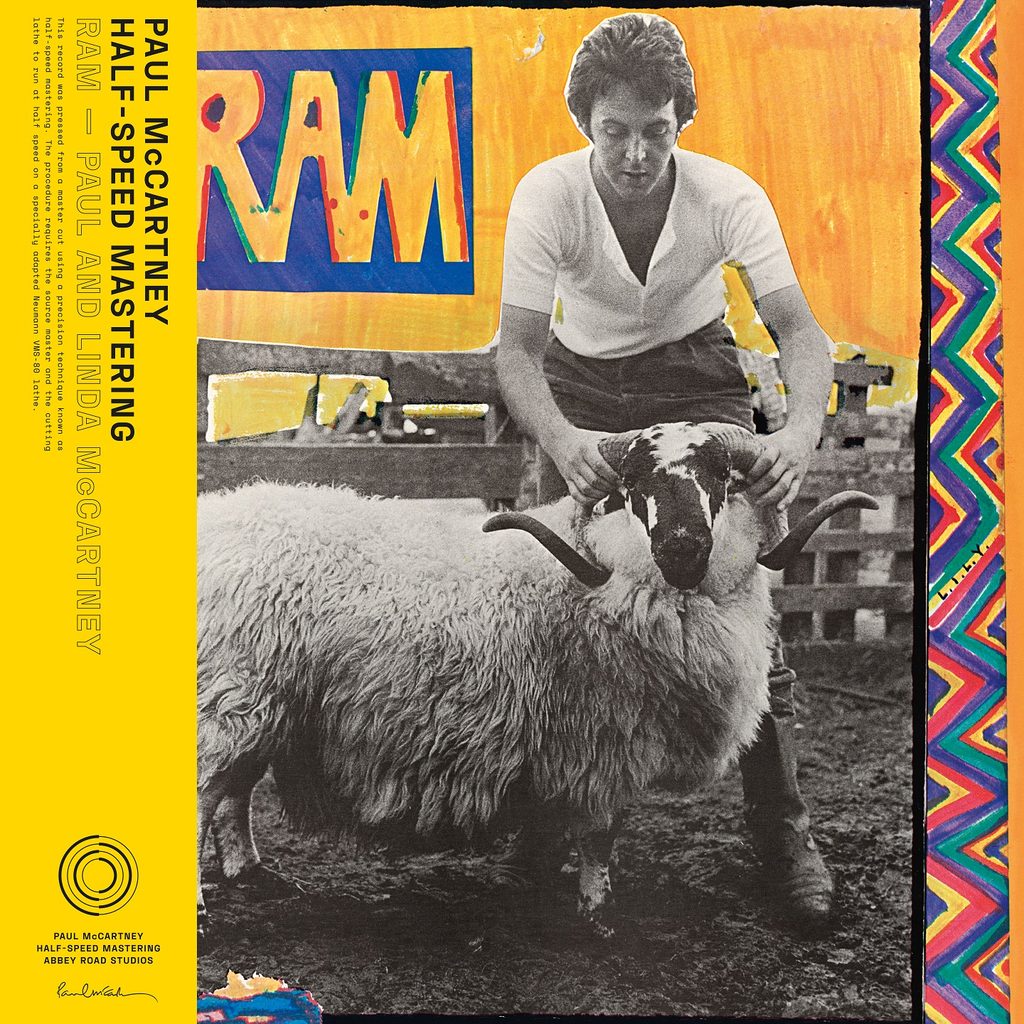
“Basically he argued to Paul, ‘Look, we’ve been rehearsing this as a band. Why don’t we postpone the sessions, get a new lead guitarist, rehearse it as a band and record it as a band?’” Kozinn says of Seiwell. “Paul said, ‘No, we’ll do it the way we did Ram. Just us in the studio. I’ll overdub the lead guitar parts, whatever.’ Paul’s instant response was typical for him, which is, ‘I’ll show you. I’ll show you all. I will show all my ex-bandmates, including the other three Beatles. I’m going to make an incredible album.’ And he did with just him and Linda and Denny Laine. He played all the drums, did a lot of overdubbing of different parts, and they came up with Band on the Run. So sometimes that self-assurance works for him.”
McCartney’s determination was unquestionably one of the driving forces behind Wings’ success. He had a clear vision of what he wanted the band to sound like, and his instincts frequently proved correct. But the same determination that helped him create some of his finest music could also make collaboration difficult, particularly for musicians accustomed to having more creative freedom. Kozinn points to guitarist Henry McCullough as a prime example.
“There are different ways that you can approach recording music if you are a composer,” he says. “Paul is taking an almost classical approach where it’s, like, ‘Okay, this is how I conceive the work. This is what I want you to play, this is how I want you to play and that’s the piece.’ Other people take more of a sort of freewheelin’ blues band approach, and that’s what Henry was used to. It’s, like, ‘I’m the lead guitarist. I should be making up the solos myself.’
“The one time that Paul allowed him to do that was in ‘My Love,’” he continues. “He went to Paul and they were recording with the orchestra, so these were expensive sessions to start with. And he said, ‘Let me just try it once. I’ll just try what I want to do once. And if it doesn’t work, if you don’t like it, we’ll go back to doing it your way.’ And Paul agreed. But even when he talks about it, he talks about it in terms of, ‘Well, I don’t know. I want it this way. What do I do? Do I agree? Well, let me just agree this time.’ You could see it in his quotes, he’s fighting with himself about whether to allow it. Henry plays the solo on ‘My Love,’ which is an incredibly beautiful solo. Knocked Paul out, it was the solo that’s on the record.”
The episode illustrates both McCartney’s exacting standards and the creative possibilities that could emerge when he allowed another musician to follow his own instincts. Yet the tension between those approaches never entirely disappeared.
“You would think that maybe Paul might learn something from that,” muses Kozinn. “‘Maybe I should let my guys have a little bit more leeway if they have something they want to bring to it.’ But the reason Henry ended up quitting was when they were rehearsing the stuff for Band on the Run in August ’73, there was a song called ‘No Words,’ which was a collaboration between Paul and Denny Laine, and Henry had an idea for a solo. And Paul said, ‘No, you’re going to play it my way.’ And Henry just packed up his guitar and left the band.”
Despite those early struggles, McCartney continued refining Wings, both musically and personally. By the late 1970s, Kozinn believes he may finally have assembled the version of the band he had been working toward all along.
“The two new guys he got, Steve Holly and Laurence Juber, were excellent musicians. Laurence Juber could play jazz, he could play rock, he could play classical. He was a trained guitarist. That guitar at the beginning of ‘Baby’s Request’ is just exquisite. None of Paul’s previous guitarists could have done that, I don’t think. And they were guys who were not going to argue with him, who were not going to argue with each other. He finally had the band of professional musicians that he had always wanted.
“He had done what he wanted to do with Wings when he did Wings Over America or Wings Over the World,” he points out. “Linda didn’t really want to continue touring a lot. I mean, by the end of Wings Over America, she was saying, ‘I just as soon sit in Scotland and tend my garden and my sheep and all of that.’ And then in 1977, James was born, so they weren’t going to tour then.”
At the same time, McCartney was rediscovering the pleasures of working independently. Discussing the making of 1980’s McCartney II, Kozinn says, “He did his own thing as an experiment. Steve Holly had an inkling of that. That was his sort of sense of what was going on.”
The beginning of the end came in January 1980, when McCartney was arrested for marijuana possession upon arriving in Japan. He spent nine days in jail, the band’s planned Japanese tour was canceled, and Wings never performed together again. Yet Kozinn believes the arrest may have accelerated an ending that was already taking shape.
“Well, he just figured they wouldn’t look,” Kozinn says, recalling John Lennon’s explanation for why McCartney brought marijuana into the country despite repeated warnings. “‘They never checked our luggage. No one ever checked our luggage.’ I mean, as a Beatle, you’re like royalty and I guess he figured that he would just slide through. But everybody around them warned them, and I don’t know why they did it.”
Looking back, Kozinn believes Wings may already have been nearing its natural conclusion. “I think he had just lost interest,” he suggests.
Whatever its internal struggles, Wings accomplished something extraordinary. McCartney had started the decade uncertain of his future outside The Beatles and ended it having established himself as one of the most successful recording and touring artists in the world. Along the way, he created some of his most enduring music, built a new audience and proved that his creative life hadn’t ended with the breakup of the Fab Four.
Wings may never have escaped comparisons to The Beatles, but perhaps that was never really the point. As Kozinn’s research makes clear, the band gave McCartney the opportunity to start again, make mistakes, find his footing and ultimately discover what kind of artist he could be on his own.