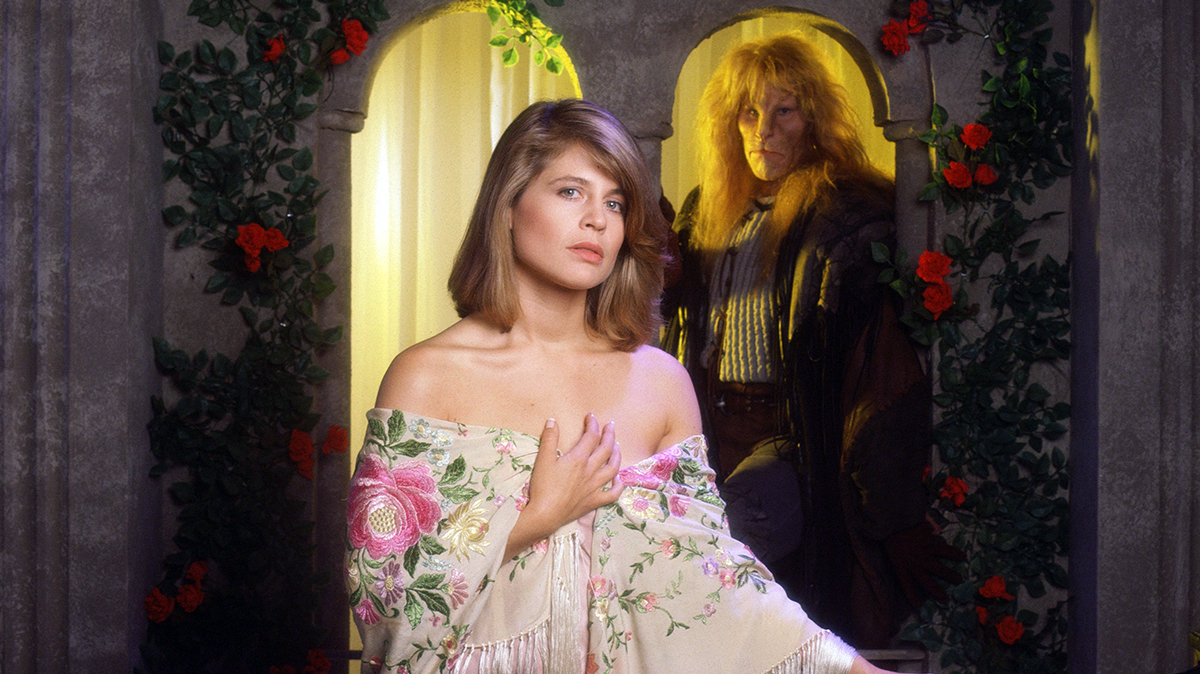
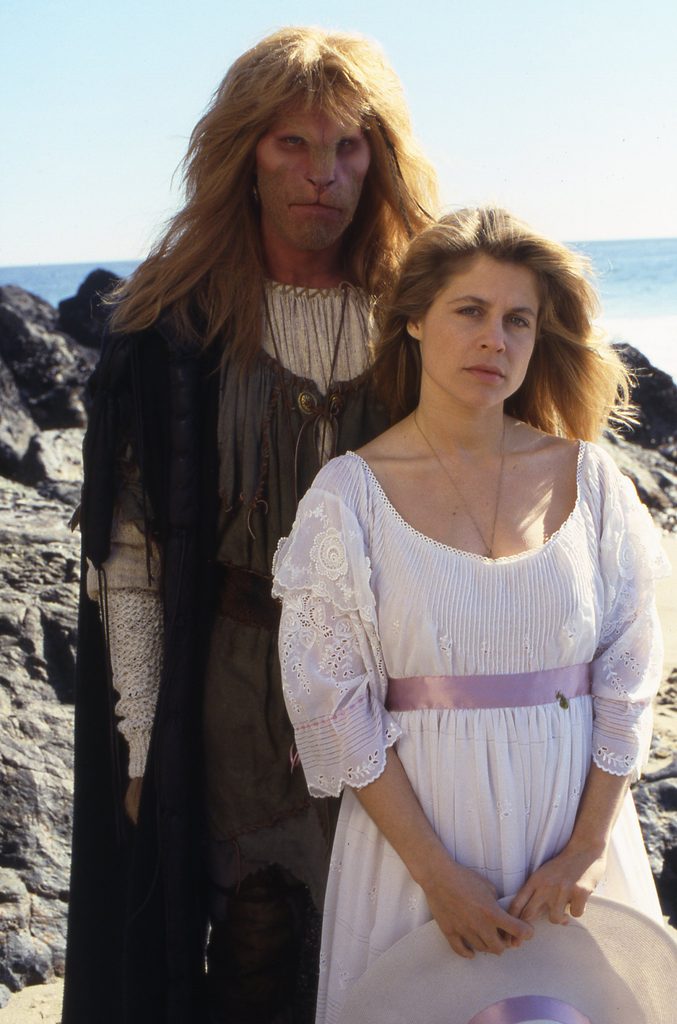
News of the passing of writer/producer Ron Koslow, creator of television’s Beauty and the Beast, the romantasy series starring Linda Hamilton and Ron Perlman, has touched me in a very personal way. During its original run, I considered myself lucky to have had the opportunity not only to speak with, but to get to know, on some level, the show’s writing and directing staff.
All of them took the time to talk to me about every episode of the series in minute detail, the results of which formed the heart of my book Above & Below: An Unofficial Guide to Beauty and the Beast. While I wasn’t able to get that sort of time with Ron, we nonetheless spoke on a number of occasions and would reconnect whenever he moved on to a new project (the vampire series Moonlight being a good example).
When I decided to update the book’s 25th anniversary edition for the show’s 35th anniversary (and, man, did that decade go by quickly), I reached out to Ron to see if he’d be interested in another interview. At first he seemed surprised, even a little reluctant, wondering what else there was to say about the series. When I responded that it would just be nice to have a reflective conversation about it, he agreed.
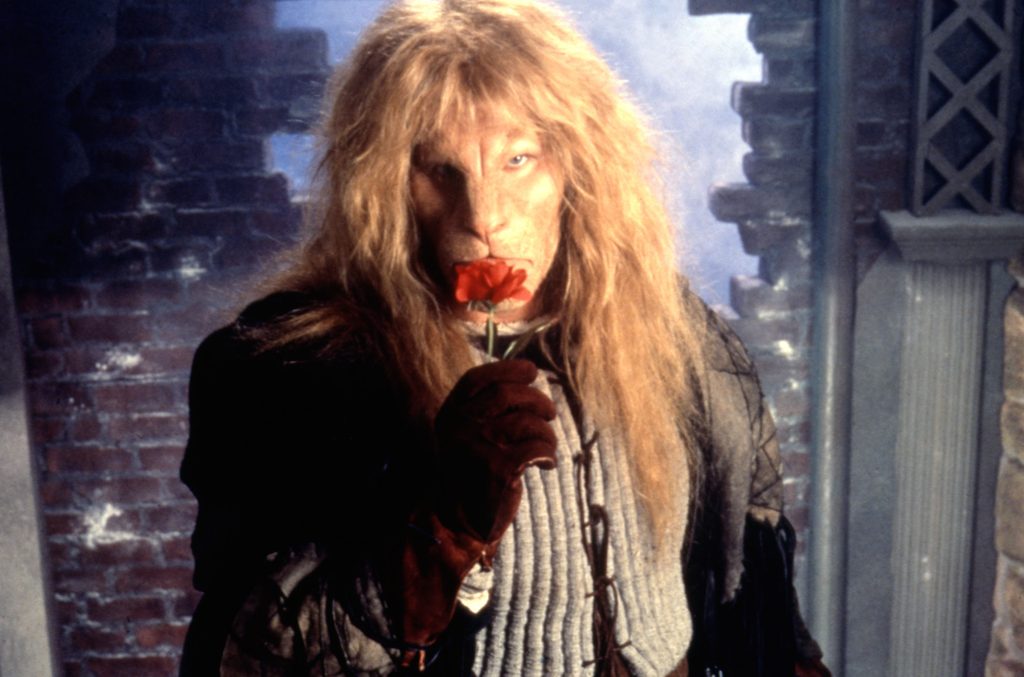
Born in 1945, Koslow took a somewhat unconventional route to Hollywood, earning a law degree from Loyola University before turning his attention to screenwriting. His early film credits included Lifeguard (1976), starring Sam Elliott; Firstborn (1984), with Teri Garr and Peter Weller; and director John Landis’ Into the Night (1985), starring Jeff Goldblum and Michelle Pfeiffer. But it was television that would ultimately provide him with his greatest creative success. Premiering on CBS in September 1987, Beauty and the Beast transformed the familiar fairy tale into an urban fantasy set in contemporary New York, where an extraordinary romance unfolded between an assistant district attorney and a mysterious, lion-like man living in a hidden world beneath the city’s streets.
Although Beauty and the Beast would remain his signature achievement, Koslow continued exploring unusual characters and relationships in subsequent television projects. He created My Life and Times (1991), an unconventional drama told through the memories of a man looking back on his life, and Roar (1997), a historical fantasy adventure starring a young Heath Ledger. A decade later came Moonlight (2007), which he co-created and which starred Alex O’Loughlin as a vampire private investigator whose relationship with a human reporter echoed, in certain respects, the seemingly impossible romance of Vincent and Catherine. Throughout his career, Koslow seemed particularly drawn to stories about outsiders, emotional connections and the possibility of love overcoming seemingly insurmountable obstacles.
What follows is the conversation Ron and I had for the 35th anniversary edition of Above & Below, presented in an edited form. Revisiting it now, in the wake of his passing, I’m especially grateful that he agreed to take that journey back to the tunnels one more time.
I was thinking about that the other day: 35 years having passed just seems impossible to believe.
RON KOSLOW: It really is. I guess the old adage applies: Time flies, whether or not you’re having fun.
And as you get older, it flies much faster.
RON KOSLOW: That’s for sure.
You’re still in California, right?
RON KOSLOW: Yes. You know, my whole plan for the last few years was to be spending a lot more time in New York.
And why’s that?
RON KOSLOW: Well, it’s my favorite place in the world. It’s always been a home away from home. My folks moved there when I was in college. So I got to know it as a grownup, and just really developed a love for the city. When I wrote Beauty and the Beast, I was very familiar with the city, and the park. I’ve got a special love for Central Park. I’ve done a lot of research on it.
The last time we spoke in depth was for Moonlight, and then briefly for the remake of Beauty and the Beast, which was about as far removed from the original B&B that it could be.
RON KOSLOW: It’s crazy. Of course they ended up doing more episodes of that than we did of the original. It was awful and embarrassing.
The assumption is that your name being attached to it was more contractual than anything else.
RON KOSLOW: Yes. I had nothing really to do with it. Other than they sent me the scripts, which I stopped reading. It was just too impossible. My partners wanted to do it, and I really couldn’t hold it up. I couldn’t stop it. I wanted to stop it, because I knew that it it would preempt the possibility of a movie. Which it did, although, who knows? Maybe at some point in the future that could happen. I controlled the movie rights, but to do the show, to do that TV thing, part of the deal is that they would get the film rights back.
It’s unfortunate that the reboot series essentially ruined the opportunity for us to get a movie version based on the original.
RON KOSLOW: It certainly preempted that idea. I’m sure Ron and Linda could have been talked into doing it. We tried to get the movie made, and tried for awhile. That’s why, I think, they just gave up on the idea of a movie, and went with the TV thing, which was there for the taking, and the movie would have been a much heavier lift.
The studios just didn’t want to finance it at the time?
RON KOSLOW: Nobody wanted the movie at that time, no. It was too early; it was before the superhero movies, and the Marvel Cinematic Universe. Then Disney also used up a lot of the goodwill of the title. Now when people think of Beauty and the Beast, they think of the animated version.
Well, I hope you got some bucks for it at least.
RON KOSLOW: Well, it was definitely not enough to compensate for the embarrassment. But when you have partners and there was a big push to do it on the part of CAA, I couldn’t stop it at that point. It would have been a bad move for me to do that. It was very unfortunate. At least the original show exists, and you can access it on Paramount+. And that was a wonderful experience, and we really had an hour of television there. They never really understood the show, the network, but as long as we were getting numbers, we really had an hour of TV to do whatever we wanted. Of course, I put together an incredible writing staff.
No one could argue that!
RON KOSLOW: I mean, I had no experience in television, really. I’d worked with Paul and Tony on a movie and my background was in features. I’d been writing movies for 10 years, and came out of the UCLA Film School, where, in those days, television was never mentioned.
There was such a line in the sand between film and television back then.
RON KOSLOW: Tremendous. In those days at the UCLA Film School, the orientation was really toward European cinema. But I had such a good time working with them on Firstborn, that when they said, “Would you ever consider doing a pilot?” I could see that they actually looked like they were having fun. And they were great people to work with. They were great partners. I had never run a television show, I’d never done television at all. And they let me actually run the show. I had been very involved in the making of Firstborn, and working with Michael Apted, the director, so they knew what I could do. They also knew I was an attorney, so at least I was fairly reliable and wasn’t afraid of working hard. So they let me run the show, and when the pilot got picked up, they put about 50 hour episodic TV scripts on my desk, and said, “Well, now you’ve got to put together a writing staff.” Keep in mind that television in those days was generally awful. There were scripts for, like, Jake and the Fatman, and Medical Center.
So how did you begin choosing?
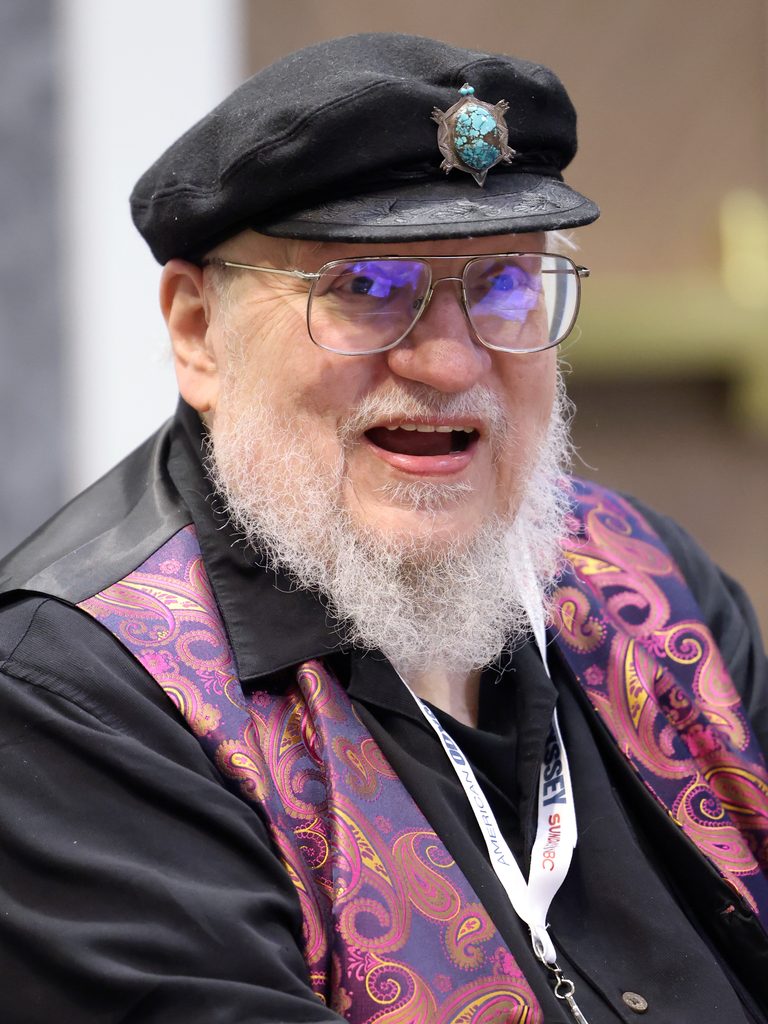
RON KOSLOW: I picked out a couple of scripts from that pile. One of them was a Spenser: For Hire. I’d been a big fan of the books. I think it was a spec script, but they had actually bought it, written by Alex Gansa and Howard Gordon, who had just graduated from Princeton. I mean, I could tell these guys were good writers. And the other was a script about an Elvis impersonator who encounters the ghost of Elvis, and I am a huge early Elvis fan. That script was written by a “low level” staff writer on The New Twilight Zone, whose name was George R.R. Martin.
That’s great!
RON KOSLOW: That was the core of my writing staff, and the irony of somebody who knew nothing about episodic television, picking out writers who then went on to create really iconic television themselves is amazing to me. It’s just hilarious, when you think about it.
Now, is that luck? Or is it instinct on your part, do you think, or a combination of the two?
RON KOSLOW: Well, I’ve always had a good eye for young talent. I’ve had good — very good — instincts about young actors, too. In Firstborn, we gave a young actor his first big break, and his name is Corey Haim. Unfortunately, success did not sit well with him.
No, sadly it did not.
RON KOSLOW: He was very, very gifted. Then I gave a young Australian actor his first job outside of Australia. He was working on a soap opera, and his name was Heath Ledger, for a summer show I did for Fox called Roar.
Another sad story.
RON KOSLOW: But it’s not hard to identify great writing, and a talented young writer, at least for me. I was very fortunate to have put together that staff, and to have the freedom. Again, the network never really understood what we were doing, and didn’t pay much attention. I don’t think they felt it would go very long. So often, the networks really try to push their own writers onto a television show. That’s certainly been my experience in the past, and we didn’t have that at all. So at least that was good. And we had a lot of fun.
Earlier you were referring to your partners. I assume that’s Paul Witt and Tony Thomas?
RON KOSLOW: Yes. Paul was my good friend and mentor, and unfortunately, passed away a couple of years ago.
When they said to you, “Okay, do a show,” obviously you’re going to sit down and say, “Okay, I’m going to do a TV pilot. Gee, what can it be?” Why Beauty and the Beast?
RON KOSLOW: What happened is that the head of CBS at the time — Kim LeMasters — had seen the Jean Cocteau version of Beauty and the Beast and he wanted to know if it would be possible to create a contemporary version of it as a continuing series. There was an agent at CAA that was having lunch with him — this is the crazy way things happen — and he queried whether or not you could do a series like that. That agent mentioned it to Paul, who then mentioned it to me, because they were trying to talk me into doing TV. When he mentioned Beauty and the Beast, it rang a very important bell for me. I was really lucky, in that I had a high school teacher who taught Joseph Campbell, before anybody knew who Campbell was. Do you know who, Campbell is?
Of course, The Hero’s Journey.
RON KOSLOW: Exactly. I became very, very interested in Campbell and in mythology. Actually, as it turned out, we had a mutual friend, and I had dinner with Campbell one night in New York with my friend. It was just this wonderful thing, and this is years ago, this was in the 1970s; I guess, ‘77, ‘78. I wish I had had a recording, because everything that came out of his mouth was brilliant. We were talking about the hero’s adventure, and at one point I asked him, “What is the adventure for my generation?” He looked at me, he had this great, kind of mischievous smile, and he said, “Love.” Then I remembered, in the preface to Hero of a Thousand Faces, he talks about the pervasiveness of myth in every day life, the themes of mythology, and he mentions that, even as we speak, the story of Beauty and the Beast is being played out on a street corner in New York. That jogged a big thing for me. Combining a mythical underground world with a classical love story set against seemingly insurmountable obstacles seemed like a great idea.
I wasn’t interested in doing the business-as-usual type of thing for television. At the same time, I had read, very shortly before that, a series of articles in the New York Times about people living in the network of tunnels beneath New York, and beneath the Waldorf. The idea of the juxtaposition of class distinctions, and inequality, the idea that there were people living in tunnels beneath the Waldorf, was such a potent image. So all these things came together. I mean, this is how an idea is born. All these myths, all these ideas and thoughts and concepts sort of merged. It was amazing, actually, when you think about how it happened. The consensus was that this show could be the doorway to exploring certain aspects of relationships that hadn’t been explored on television for quite a while. There were moments when I was working on the pilot script when I said, “My God, this is awfully strange for television.” I mean, here we were taking a fairy tale (and to a large degree the Cocteau film), transplanting it to gritty New York City and attempting to make a creature with a lion’s face into a sympathetic, believable lover. I would say that was pretty daring.
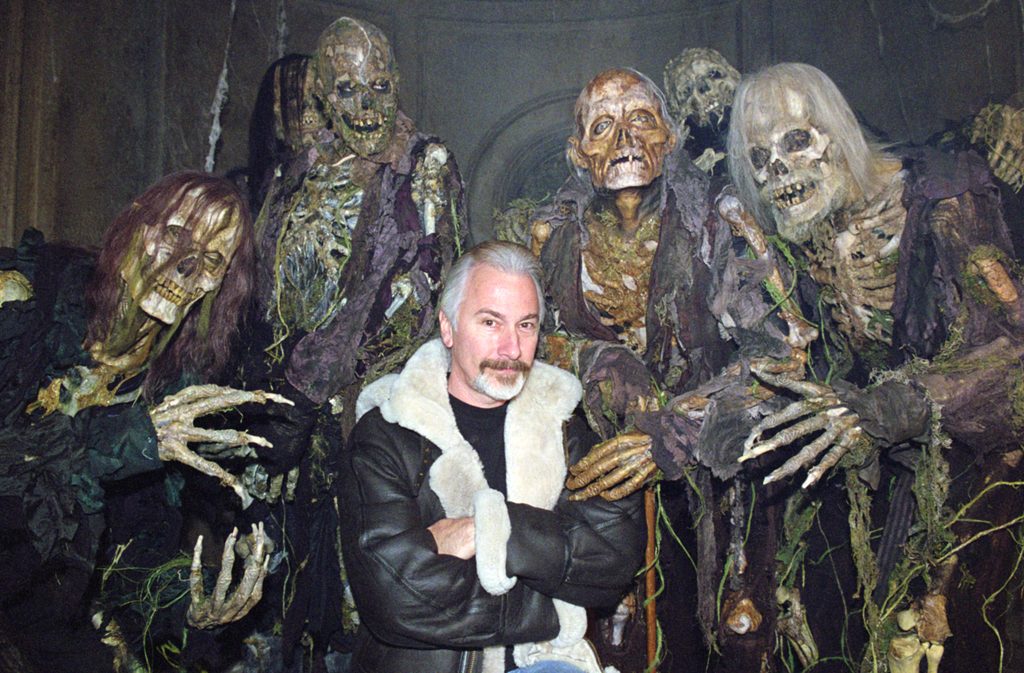
How important was Rick Baker’s makeup design to the believability of the series? When they were making the original Planet of the Apes in the 1960s, everyone knew that the film would rise or fall based on John Chambers’ makeup design.
RON KOSLOW: Before we contacted Rick, everybody felt that, conceptually, Beauty and the Beast was a wonderful idea. But we always knew that the true test was going to be if the character of Vincent was real enough and believable enough to be a central element in an ongoing romance. Until we actually saw Vincent, we couldn’t be sure it would work. But that changed the day Rick came with his first rough sketches. There was a shock of recognition on everybody’s face. And at that moment, we knew that Beauty and the Beast was going to work.
But was it challenging finding the right tone?
RON KOSLOW: With Beauty and the Beast we were walking a very fine line. The show was a constant juxtaposition of tones and textures. One minute, we were on the gritty New York streets and the harsh reality of that life and the next, we were underground in a mythic fantasy world. There was a very delicate balance involved in dealing with both a real and fantasy element in a natural way. The real world had to be just that — real — and yet not get so overblown and out of control that it destroyed the myth. So far as I was concerned, Beauty and the Beast did a great job of mixing the two elements and making them work. It was not another car chase show. The idea of developing that kind of relationship on a weekly series was a challenging experience, especially in the area of the Catherine-Vincent relationship.
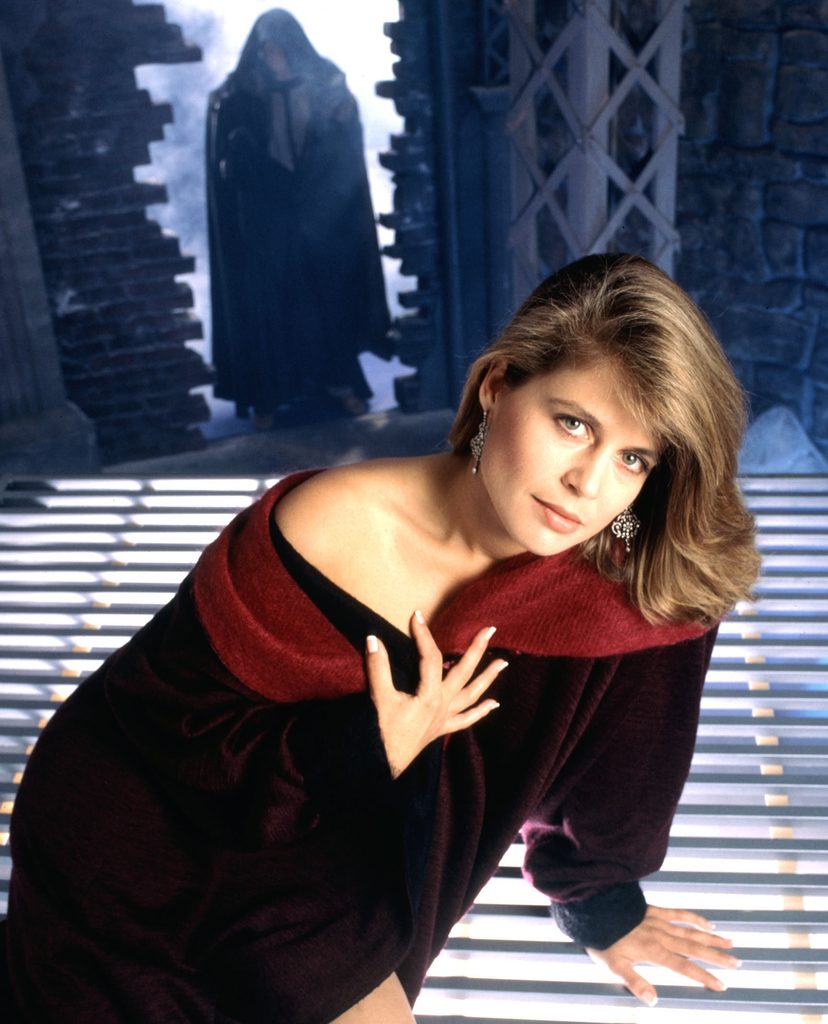
So you bring those writers you mentioned together — including that “low level” writer, George R.R. Martin [both laugh], who somehow goes on to Game of Thrones, which is just amazing — and you have this concept inspired by various things. Now you have to go to series based on this pilot idea. How difficult was it, then, to expand that into a weekly tale?
RON KOSLOW: Well, it wasn’t, because there was really no format. We could use that as a motor, a story motor, but it was always character-based, and focused on them. And the other characters in the piece. They were always character pieces at the heart of the episodes. It was always about character. And the crime stuff. I mean, in the very beginning the network was so nervous and couldn’t really understand what was going on with the tunnel world. They thought it was what they used to call “a big buy.” You know, “Is the audience going to believe it?” As it turned out, it was the most fun and attractive part of the show. We were somewhat limited in how much of the tunnel world we could show, but as we started getting numbers, they just completely loosened up so we could really do stories in the tunnel world, and everybody just took to it. Of course it wasn’t an issue at all for any of the writers. Everybody just jumped in and was inspired by it. So it was not a hard sell at all in terms of the staff. Everybody was really behind it. I mean, it’s so long ago, but I do know that a lot of it had to do with the relationship, and the two of them — Linda and Ron — just really made it work. I mean, it was inspiring, and that was clear from the first day they worked together.
But how much of the characters of Catherine and Vincent were there before you knew you had Ron and Linda?
RON KOSLOW: Catherine was always the assistant DA, but the daughter of a very wealthy prominent family in New York; high born. And he was always this somewhat mysterious, mythical creature who was found in the dumpster behind St. Vincent’s Hospital. That was in the pilot.
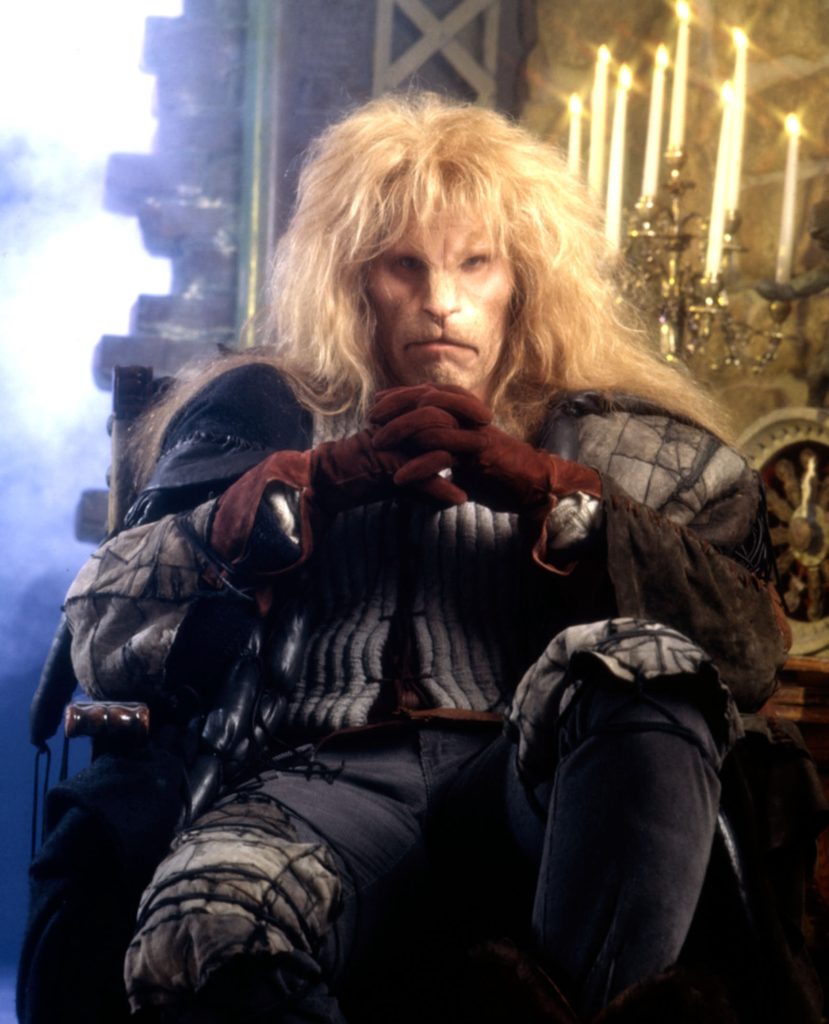
So what was it about Linda and Ron that made them so right for their parts?
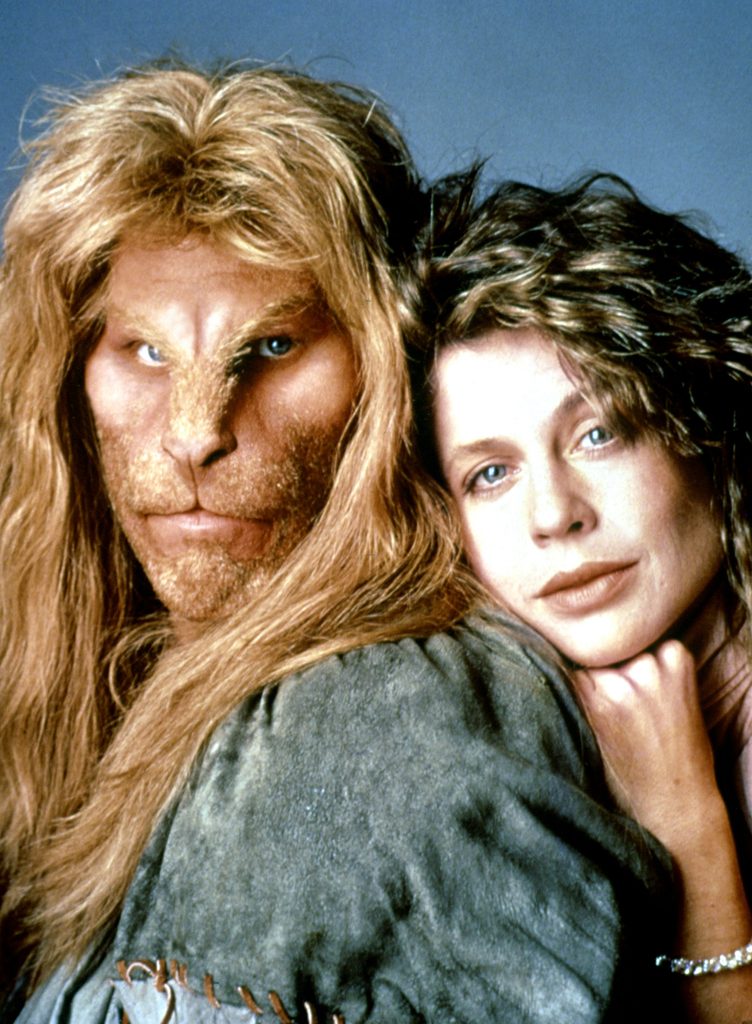
RON KOSLOW: Well, I basically wrote it for her. I had seen the first Terminator and watched her relationship with Arnold, with the robot, and how she made that work. She’d done other movies that were not completely reality-based, naturalistic films, that involved a suspension of disbelief. I mean, she was the one that I really visualized when I was writing it. I called Linda’s agent and was told there was no possibility of her doing the show. Of course, all that changed once we managed to get the script to her. As far as Vincent, I had seen Quest for Fire, and knew about Ron, and thought that might be a possibility, although it was not the character in any way that we needed. On top of that, we knew going in that he had gotten tired of playing roles in makeup. But, once he read the script, he realized the challenge of playing a role with an infinite number of possibilities outweighing having to sit in a makeup chair for six hours a day. I think the search for Vincent was a much more difficult search. But the fact of the matter is that no one came close to him in the readings, yet there was a thought on the part of CBS, which we had to dispel, that it should be a handsome actor, who we could, then, in the finale, metamorphose into the handsome prince. But that was not…
… Never going to happen.
RON KOSLOW: No. I had done research, again, with Campbell and the Beauty and the Beast myth, which is Leda in the Swan, it’s the Minotaur. It was only in the Judeo-Christian versions of the myth where there’s a transformation, where he turns into a handsome prince. That’s her reward for being good, compassionate, accepting and seeing his inner beauty.
Which, if you think about it, is kind of a superficial reward.
RON KOSLOW: But in the pagan versions of the myth, there’s no transformation. He becomes this challenge to her courage. There was that whole idea, fortunately, we were able to deep six, because Perlman’s reading was just…he was the guy.
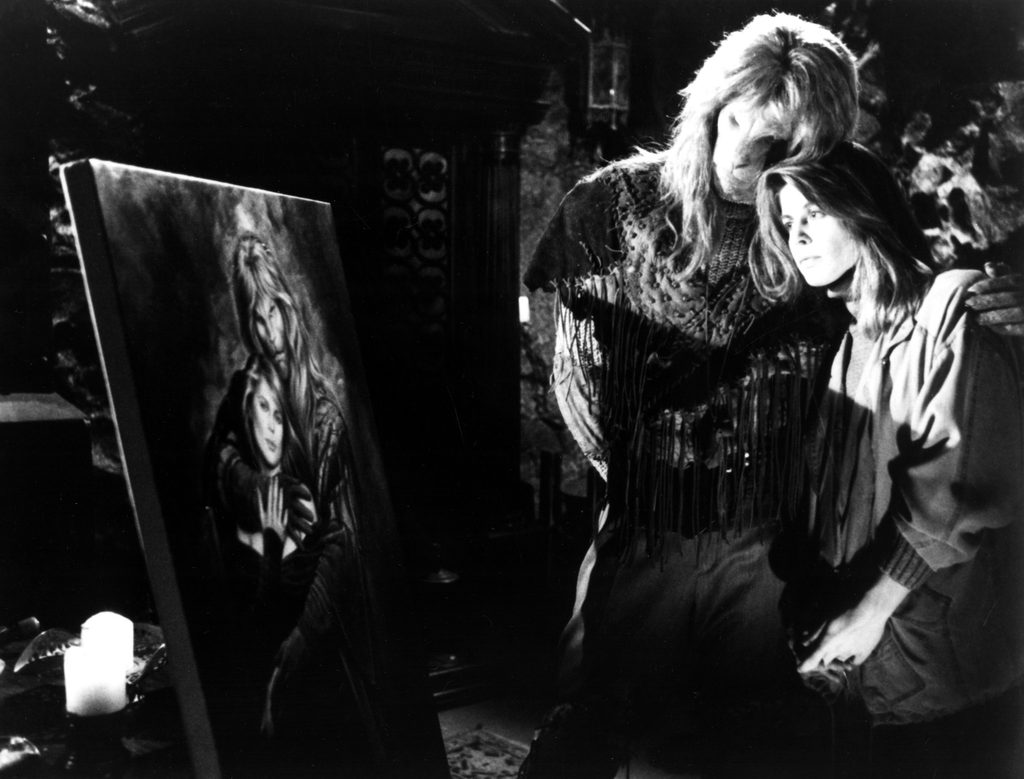
What interesting is that if you were to watch Ron in his roles prior to Vincent, I’m not so sure there was anything there that would have suggested the level of nobility.
RON KOSLOW: No, but part of that was also Rick Baker. Believe me, it’s not easy to catch magic in a bottle. You’ve got to have so many things going right and the makeup was Rick Baker’s idea. We didn’t have any idea of what he ideally should look like, and Rick Baker created that look. Part of it was heavy metal rock star, and part of it was something noble, and almost royal in a way. There was just a lot of luck involved. A tremendous amount of luck.
I remember that I was visiting Howard Gordon on the set and Linda Hamilton came over and gave him a big hug and as she walked away somebody commented, “And tomorrow she’ll be telling you what a piece of shit your script is.” It was actually a very funny moment, but how much of a love/hate relationship did Linda have with the show?
RON KOSLOW: She did, but she also had the hardest job of anybody in the show, and the most thankless job. I wish that I had realized that and understood that more. That was my failing. I should have understood that, but nobody had ever really done a job like that, or a show like that, before. Her job was to make everything believable. Her job was to make him — Ron as Vincent — believable, which involved her giving him every scene. It involved an act of selflessness that nobody could really endure for too long. I mean, it was a tremendous task. It was a huge ask of any actor.
And as a result, she more or less had to allow him to shine in almost every scene in order for that believability to come through?
RON KOSLOW: Yes, it had to be believable. Which means she has to believe in him in every scene, and, in effect, give him the scene in order for that to work.
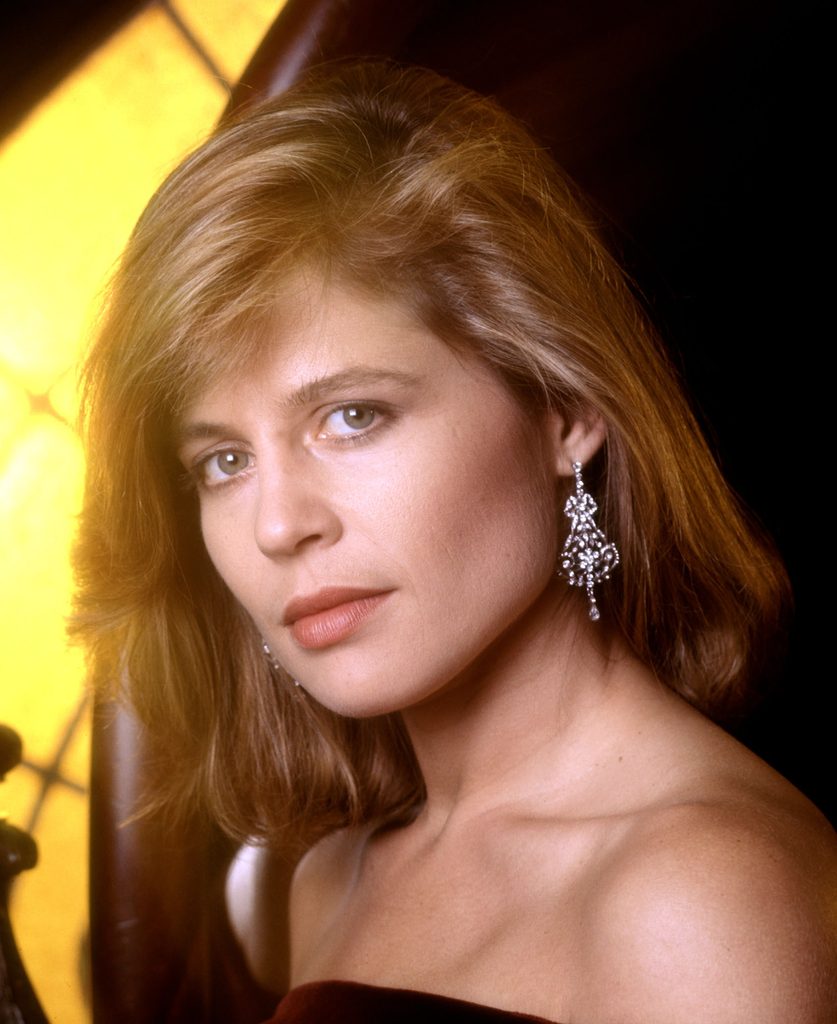
Wow, 35 years later and you’d think I would have thought of that, but I never did.
RON KOSLOW: Well, I wish I had thought of it at the time. If I had, I could have been more understanding. Maybe adjusted certain things. I mean, there were things we could, we did, in terms of her character, but I wish that I had understood that on a deeper level.
There was the impression that early on the network’s “influence” on the show was the formula of Catherine getting in trouble, Vincent jumping on top of a subway and somehow arriving just in time to save her.
RON KOSLOW: But that was episodic TV. In those days, it was very formulaic.
Didn’t the network also have a problem with the romance, the supposed “bestiality” thing?
RON KOSLOW: That wasn’t really an issue. The bestiality thing came in later, when it started getting really romantic. So that wasn’t an issue at the beginning; it was really mainly just them not understanding the fantasy dimension of the show and being nervous about it. Network television is all about the dealing with nerves. The nerves of a network and that’s why everything has to be accessible and fit the formula.
Which is part of the reason that streaming is so much nicer in a lot of ways.
RON KOSLOW: Absolutely.
When did that change? I don’t mean what episode, but was there a point where the gloves came off? Earlier you mentioned the ratings, but was there a time where you sat back and said, “Now we can do the show we want to do” in terms of exploring the tunnel world and all that?
RON KOSLOW: Very quickly in the first year. Once we started, the first year, we won our time slot every week. We even beat The Sound of Music. So once we’re getting numbers, we were free to do whatever we wanted to do. And that was very quick. That was within the first six, I would say, by episode six. I’m trying to remember what it was, but I remember…Howard and Alex wrote a wonderful episode about Roy Dotrice, about Father’s background, that Father was caught up in the McCarthy era where he was a doctor…
An excellent episode, and pretty unexpected.
RON KOSLOW: There was that and I think George’s first episode was about a subway vigilante who was posing as Vincent.
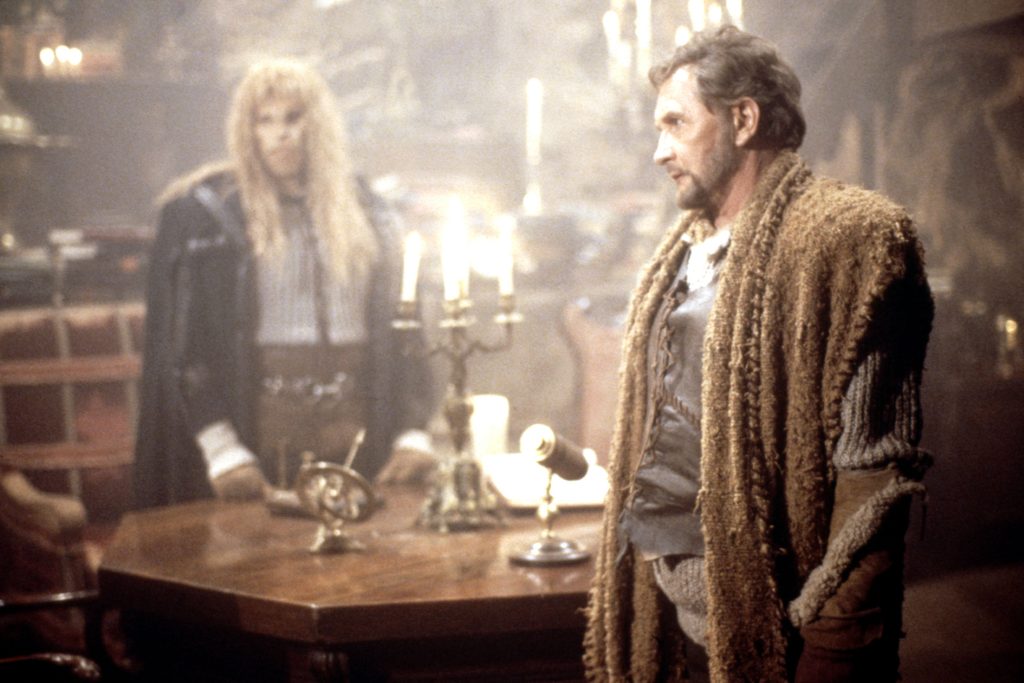
“Terrible Savior.” For some reason, that just popped in my head.
RON KOSLOW: “Terrible Savior,” yes. It was an early episode, like third of fourth.
Terrible Savior, yeah. I still haven’t gotten over the fact that I remembered that after all these years.
RON KOSLOW: And that was George’s first episode. So we got that freedom very quickly, but it was all due to the numbers.
Right. Because then you got to explore Winterfest, and the idea that Vincent could walk around the streets on Halloween, which was brilliant.
RON KOSLOW: That was great, too. George had been pushing for that episode for a while, and really, really wanted to do it, and we did it, and it was great. We recreated that great shot of Woody Allen from Manhattan, where they’re sitting under the Brooklyn Bridge.
Just a genuinely sweet episode. Obviously, at some point the ratings started to change.
RON KOSLOW: Well, because ABC, the second year, put their family hour, Full House…I can’t remember what the other ones were. The irony is that my next door neighbor was Bob Saget. So we joked about that. But ABC, they brought their artillery in the second year, to go up against us. That’s why we started having to fight for the ratings.
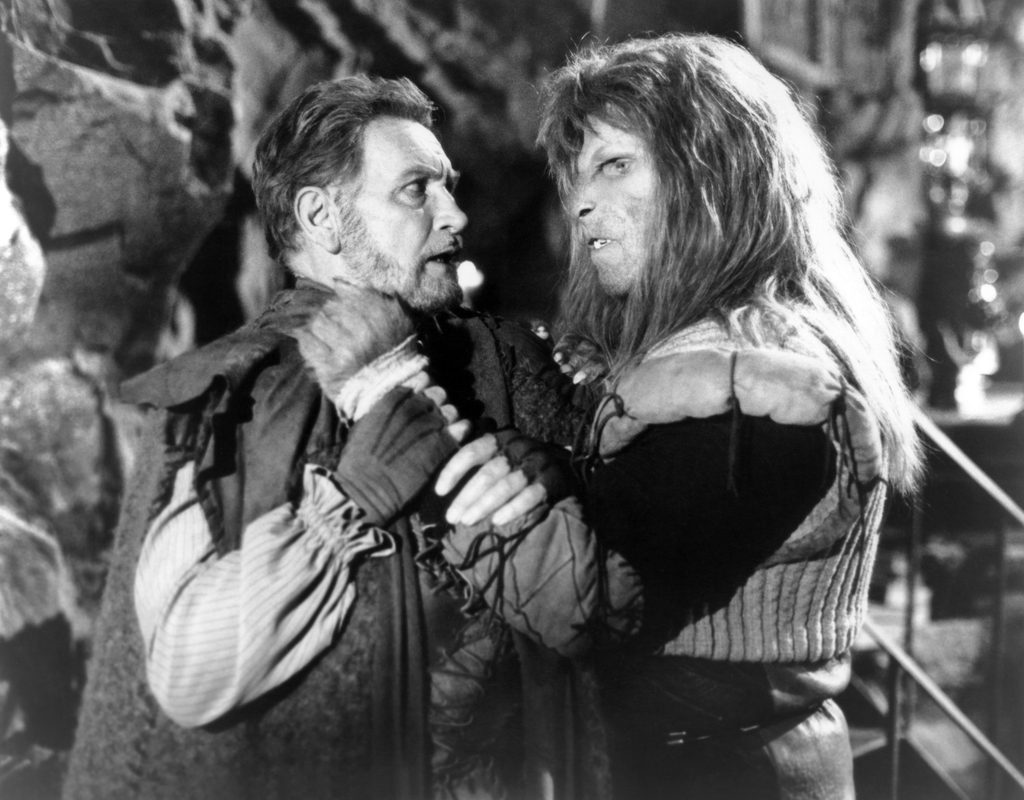
Did that change the show? I mean, because obviously, you got the freedom when the ratings were winning its time slot. When it started not winning the time slot, did you suddenly have pressure from the network again?
RON KOSLOW: No, we really didn’t. Well, also, don’t forget that, at that point we had tied with L.A. Law for the most Emmy nominations. Which is unheard of for an eight o’clock show to get those. I don’t know whether any eight o’clock show had ever been nominated for Best Show. We got nominated for Best Show, I got a nomination for Best Writing. And we got all these Emmy nominations. So that helped, too.
Oh, absolutely. It’s exactly the kind of thing that can give you credibility whatever the ratings. At least for a while.
RON KOSLOW: The second year, I think we pretty much did whatever we wanted. But then, toward the end of the second year, that’s when the ratings started to decline. We never came in third, we were always coming in second, but clearly, there was competition. So it changed. We never got pressure from the network.
How did the show itself change, though, do you think? Or did it not? Did it just go forward in the way it wanted to, in that organic way?
RON KOSLOW: I’m trying to remember. At a certain point, a show like that, how many ideas can you really come up with, to be honest with you? I think that those two years, we were at our best. The last three episodes of year two, I think, were some of our best. And they involved Vincent kind of losing control.
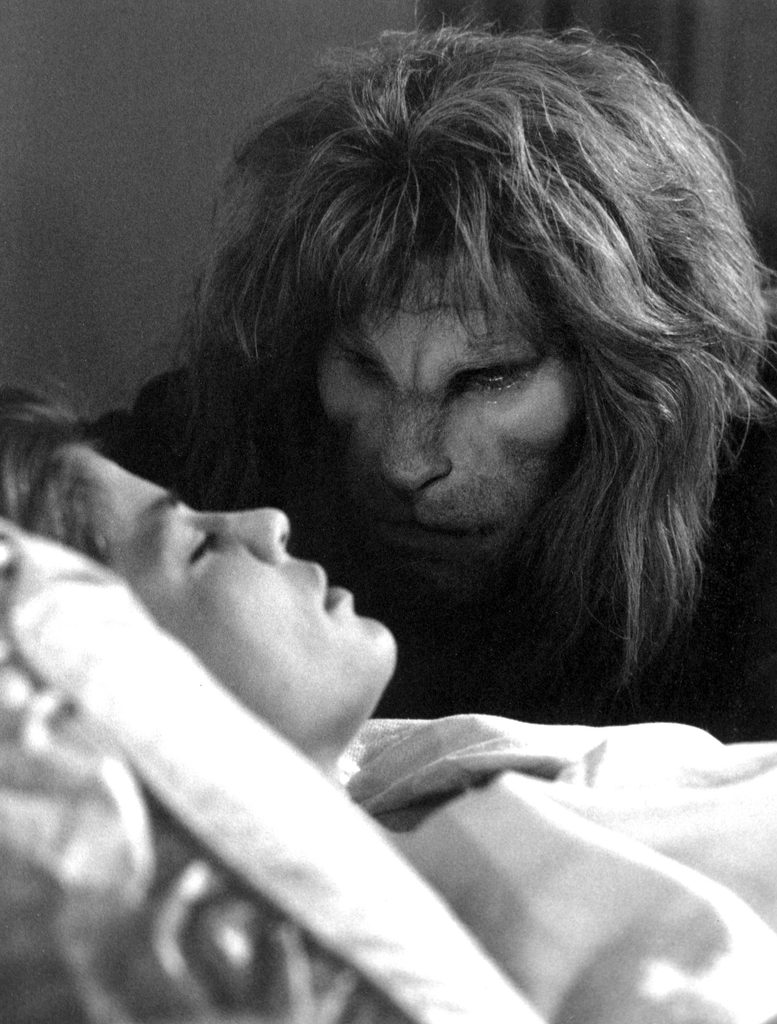
Great stuff!
RON KOSLOW: Really great stuff. Really dark, operatic stuff, and powerful.
Personally I love that kind of gritty material and genuinely embrace it, but for the people who are there for the romance, was it hard for them to swallow such a hard shift like that?
RON KOSLOW: At that point? I honestly don’t know. We weren’t really getting that kind of feedback. I can tell you that the network loved it.
Oh, they did?
RON KOSLOW: With that kind of action and scary stuff? Definitely. By the way, here’s an interesting little television tidbit or bit of trivia. One of the tunnel kids that Vincent encounters when he’s losing it, and has to banish himself from everyone, there’s a little scene with a little tunnel girl, who’s disturbed and really upset by him, and him leaving, and it’s Mayim Bialik.
I never even realized that. That’s great! You know, we’ve been talking about how great those stories are, and they are — those three episodes are just phenomenal — but when you look at the show as a whole, and the impact of those episodes, are you still happy you went in that direction with it?
RON KOSLOW: Yes, because basically the show was over after that.
Were you really expecting cancelation at that point?
RON KOSLOW: We knew that Linda was on the way out, and because of that, we had to recreate the show in the third year.
Before we get into that, because I do want to talk about it — I really appreciate the third year, although I know there are many fans out there that would hang me from a flag pole for saying that…
RON KOSLOW: No, it was interesting. I mean, it was hard to do, and ultimately really kind of an impossibility with a television series like that, but we did what we could do, and we did what we had to do.
By the end of the second season, Linda had had enough of the show and was leaving no matter what?
RON KOSLOW: Yes. I think she was ready to go back to movies.
Obviously you don’t want to have an unhappy actor, but it always amazes me when people sign multi-year contracts, usually for five to seven years, and just decide they’re going to leave. David Caruso did it on NYPD Blue and it’s happened a lot. It’s, like, what happened to the idea of a contract?
RON KOSLOW: Well, exactly. But it’s the nature of those kinds of contracts in that particular business, and the other part of it is the shift of power. The idea that once a show becomes successful, and runs for awhile, the actors really do, in most cases, exert more power, because they have it.
When you learn that your leading lady is leaving, and this is a show that is so intrinsically tied to the two of them — the beauty and the beast — is there a temptation to just say, “Well, we’re done. Let’s call it quits”?
RON KOSLOW: No, not at all. We had to try, because we still had everybody else. There was talk about just replacing her, but when you’re dealing with a love for all time, how do you do that? You can’t just slip somebody in. There really weren’t a lot of options. We did the only thing we really could do, which is, continue the story. And have her die in a meaningful way. And in truth, “Though Lovers Be Lost” was very strong and worked well. It really stood on its own with some of the great events of television. I honestly think we pulled off something amazing with it. It was full of shocks and surprises. The show remained very much a mythic fantasy. That was a very important element of the series and of Vincent’s character. Those elements certainly remained, though they were changed during the arc. All we could do was our best.
Diana Bennett, as played by Jo Anderson, was a wonderful addition, as was Gabriel as the adversary. Stephen McHattie was genuinely chilling.
RON KOSLOW: There was certainly a stronger momentum to the new episodes, with Vincent sent off on his great quest and pitted against this very formidable villain from the world above. Stephen McHattie is an extraordinary, gifted New York actor, and as Gabriel he was one of the great villains in television. Jo is a unique actress — very different for television; not your typical TV actress. We had been a fan of her since Dream Street. But in the end, I guess it just wasn’t Beauty and the Beast. I just don’t know, I have all kinds of mixed feelings about that, but maybe it just had to end. The cancellation was nothing more or less than ratings. No big conspiracies, just a matter of numbers. I wasn’t surprised at what was a sudden cancelation when we saw the numbers start to decline after the first week. I think it was perceived by CBS after they gave it so much promotion and the numbers didn’t really reflect anything positive, that we weren’t going anywhere. Obviously “not going anywhere” is completely relative. We still had nine million people or more watching the show. But in the realm of network television at the time, that wasn’t substantial enough.
Well, it was a different show, that’s for sure. But, again, you need to be applauded for taking an impossible situation and making a hell of an incredible 12 hours. Or 10 hours, at least, because the last two-parter was a bit much with the serial killer. After the arc, I’m sure people were looking for something a little more…gentle.
RON KOSLOW: I think that I got tired and dispirited by that time, and we pretty much knew it was over, but we had to try. We had such great resources with terrific writers and terrific acting. We had it down in terms of how to make it so great. It was just this convergence of so much talent. It was production designers, and the set decorators, and I mean, even in those days, there was no CGI, they were all matte shots. We had such really good technical people working on it. The Emmys show it. I mean, we got a lot of Emmys.
Which people tend to forget, just how successful it was. But when it ended, Ron, what was your feeling? Exhaustion? Relief?
RON KOSLOW: No. At that point I’d made an overall deal with ABC and actually had begun working on a short-lived show called My Life and Times. So at that point I’d departed the show.
For a guy coming from film, what was it like finding yourself not just working on a show with the day to day challenges it offers, but then having this fandom — this very vocal fandom — rise up around it? RON KOSLOW: That was a whole other thing that I really was not — I don’t know whether anybody could really be prepared for something like that. You can only imagine, and this was really before the Internet. I’m trying to think of a word to describe it. I mean, it was powerful and disorienting. I don’t think I was prepared for it. I don’t think anybody was prepared.
How could you be prepared for it?
RON KOSLOW: I’ve done a lot of thinking about it since, and I think, obviously, it occurs when you’re dealing with these fantasy-based shows. George [R.R. Martin] had it, to a certain extent, with Game of Thrones, although it’s different now. Part of it, I think, the idea that it was network, and in those days, it came to you once a week into your home as something that you could count on. That made the experience even more powerful. But I think, and what I grew to understand much later, is that when you’re dealing with archetypal material — I’m going back to Campbell now — you are hitting people on a very, very deep level most people aren’t aware of, both the makers and the receivers. And there’s a responsibility there. I’m not exactly sure how far it goes, but these are all things that none of us had any awareness of, that you’re hitting people on a very, very deep level. And in some cases it can lead to crazy behavior. There had ben a lot of controversy within the fandom. However, the fandom was broken into many different factions. Some were more willing than others to move into this new period of adventure, which I think was a very interesting time in the history of Beauty and the Beast.
When I was reading over the early version of this book, prepared for the 25th anniversary — somehow 10 years has passed since then — Alex Gansa I believe commented that when Linda was gone and they brought Jo Anderson in as Diana, somebody actually slashed his tires.
RON KOSLOW: Wow, I hadn’t heard that. I do know that the network executives had to hire security people for a couple of weeks, because they were getting death threats.
Isn’t that crazy?
RON KOSLOW: It is crazy.
But, in my mind, that was almost the introduction of a kind of toxicity that exists among a lot of fandoms now.
RON KOSLOW: If you do a new Star Trek, the old fans go crazy. If you do a new Superman or Batman, the old fans go crazy
As much as I love this stuff, I could never invest that sort of energy to get that worked up about it.
RON KOSLOW: But as I said before, part of it, I think, is coming into people’s homes. The experience of going to a movie theater and watching something on a screen that’s 30 feet high is a much different experience; it puts you in a different perspective. But when you come into people’s homes on a regular basis, you become part of their family. You become part of their lives. They take some kind of strange proprietorship. Especially, again, if you’re dealing with things on an archetypal level and you’re going straight into their subconscious. I think that it’s fraught with all kinds of responsibilities and danger. Not so much anymore, maybe, because of streaming and because it’s much more diffused when you can watch it as many times as you want. It’s there whenever you want it, or when you don’t want it.
And here we are in 2022 — somehow — looking back at this show. And with that in mind, from the vantage point of today, what are your overall feelings about it?
RON KOSLOW: How fortunate I was, how fortunate we all were, to be able to do it, and be involved in that kind of creativity. It was tremendous. I’ve never really had that experience since. I was just blessed, in so many ways, and the sadness is that you don’t really appreciate it while it’s happening, because you’re working so hard, and you’re deep in it. You don’t recognize how rare it is to be able, as I said, to catch magic. And it doesn’t happen very often.
What that’s like is when you have a kid and everyone is saying, “Enjoy it while you can, because it won’t last forever and you’ll never get it back.” And you go, “Yeah, yeah, yeah, I’m kind of busy right now changing a diaper. Remind me about that later.”
RON KOSLOW: Exactly! That’s exactly what it’s like. But I’m grateful I had that experience. I wish that I had been more conscious of it while it was happening, but it was very intense. I mean, being a showrunner is maybe the most labor intensive job in show business. I can’t imagine anything that’s more 24/7 consisting of total multitasking on so many levels. I mean, in a way I had no idea what it involved, so I think I was able to do it more easily than if I knew how daunting that particular job — the whole thing — is.
What’s interesting is that you’re in a rarified club, Ron. You may not have achieved another Beauty and the Beast, but you are able to stand shoulder-to-shoulder to others who created a series that had a genuine impact, like Rod Serling with The Twilight Zone, Gene Roddenberry with Star Trek, Chris Carter with The X-Files and Joss Whedon with Buffy the Vampire Slayer. It becomes the shining moment in your career, but you can’t recognize it at the time. RON KOSLOW: No, you can’t.
But there are worse fates than having created this massive “thing” that touches so many people.
RON KOSLOW: Exactly. And it opened up all kinds of other opportunities and experiences and adventures, which I’m grateful for. The other thing is that because it was my first experience with television, the whole thing was, as it turns out, remarkable.